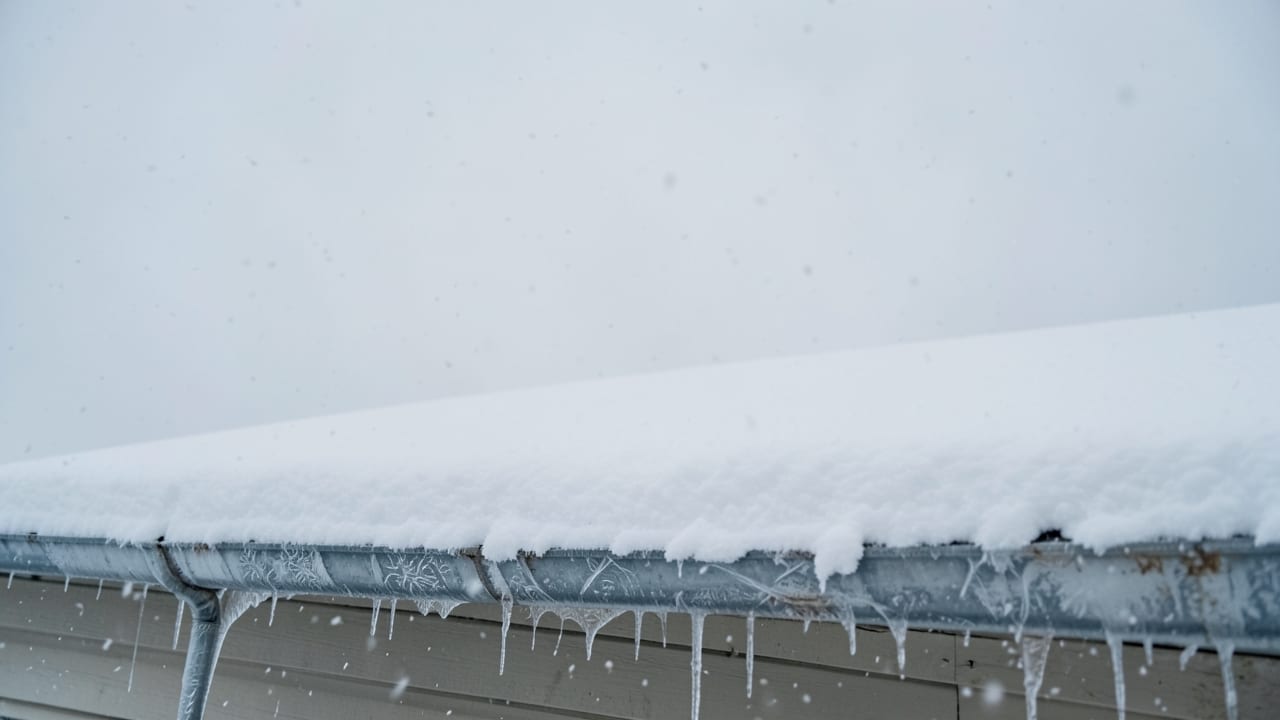
Ice Dam Removal in Edgewood, IN
Ice Dam Removal for Edgewood, IN properties — Edgewood is a nearby community roughly 14.7 miles east of Noblesville..
Ice Dam Removal in Edgewood, IN starts with understanding why the problem shows up in this particular place. Edgewood homeowners know the heavy oak, maple, and sycamore leaf drop from October through early December can clog gutters and lead to winter ice dams. Our regular gutter cleaning routes already cover Edgewood, just 14.7 miles east of Noblesville, so we’re on hand to remove ice dams and keep your system flowing before seasonal buildup causes damage.
Why ice dam removal matters in Edgewood
In Edgewood, IN, dense suburban tree coverage with mature oaks, maples, and sycamores leads to heavy autumn leaf buildup in gutters and on roofs. When winter temperatures fluctuate, trapped leaves can block drainage, causing melting snow to refreeze into ice dams along the roofline. These dams force water under shingles, risking leaks and interior damage. Prompt ice dam removal prevents costly repairs by ensuring proper drainage, especially critical in neighborhoods where tree density accelerates clogs and ice formation.
This service is also available via Ice Dam Removal and Edgewood, IN.
What ice dam removal actually involves, step by step
Roofline and gutter walkthrough. A visual pass along the roofline identifies sagging sections, separated seams, and downspouts already showing signs of a clog before any debris is touched, so the scope of the job is set from what's actually on the house rather than assumed from the ground.
Hand removal of debris. Leaves, seed pods, and shingle grit are cleared from the trough by hand or with a small scoop, working toward the downspout outlets rather than away from them, so loosened material doesn't get pushed further into a section that's already partly blocked.
Downspout flush test. Water is run through each downspout from the top after the trough is clear, confirming it exits freely at the bottom instead of backing up — the step that actually proves the system works, since a clean trough with a blocked downspout still overflows in the next storm.
Hardware and fastener check. Loose brackets, pulled spikes, and separating end caps are noted while the crew is already at the gutter line, because hardware that's failing is far cheaper to flag during a routine cleaning than to discover later as a section pulling away from the fascia.
Rinse-down and photo documentation. The exterior of the gutter and the roofline are rinsed of dust kicked up during the clean, and photos of the cleared trough and hardware condition are typically kept on file as a record of what was found and cleared, not for the appearance of the job.
What goes wrong when ice dam removal is done badly
Pushing debris further into the downspout. Clearing the trough by working away from the downspout instead of toward it can shove loosened leaves and grit deeper into the downspout opening, turning a surface clean into a hidden clog that only shows up the next time it rains heavily.
Ladder placement damaging the gutter. Resting a ladder directly against the gutter edge instead of the fascia or roofline behind it puts the ladder's full weight on a component that isn't built to bear it, and a bent or pulled-away section is a common result of an otherwise careful cleaning visit.
Missing hidden fastener failure. A quick visual pass from the ground can miss a hanger that's already pulled loose behind a full trough of debris, since the sagging section only becomes visible once the weight of the debris is gone — which is why a hands-on hardware check while at the gutter line matters.
How to choose who does the work in Edgewood
Does the estimate include downspout clearing, or only the gutter troughs? Downspouts clog too, and a price that excludes them isn't a full job. Is the quote based on linear footage, or a flat per-visit price regardless of house size? Linear-footage pricing scales fairly with roof size; flat pricing can undercharge or overcharge depending on the home. Does the visit include noting damage (sagging, separated seams, rust) while cleaning, or only debris removal? A cleaning-only visit can miss damage that gets more expensive to fix later. Is a written scope specifying story count and any steep-roof add-ons provided before the work starts? Multi-story and steep-pitch jobs often carry a higher price that should be disclosed upfront, not added afterward. Does the state or local jurisdiction require any license for gutter cleaning? Requirements vary by state, and it is worth confirming directly rather than assuming. What happens to the debris removed — is it hauled away or left on the property? Debris disposal is sometimes billed as a separate line item.
A single flat number with no mention of linear footage, story count, or downspouts. Gutter jobs vary enormously by house size, and a price with no scope behind it is hard to verify or compare. A price that seems unusually low compared to every other bid for the same house. An unusually low bid sometimes means downspouts, debris haul-away, or a damage check are quietly excluded. No description of how debris is disposed of. Bagged debris left on the property versus hauled away is a real cost difference that should be stated upfront. Reluctance to put the scope of work in writing. A written scope is the main protection if there is a dispute about what was promised.
How an Ice Dam Actually Forms
Noblesville's humid, four-season climate with heavy hardwood tree cover sets up the exact mechanism: mature oak, maple, and sycamore canopy sheds heavily over a six-to-eight week window each fall, and the resulting mat of wet leaves compacts fast — a few warm, rainy days turn a full gutter into a solid, soil-like plug that a garden hose can't move; winters here also bring occasional ice storms, and a gutter already loaded with wet leaf debris carries real extra weight when that debris freezes
Reach out for a firm quote on ice dam removal in Edgewood; the same scheduling and pricing apply here as anywhere else covered.
See Ice Dam Removal in Carmel, IN for more — or see every option available in Noblesville across the area for our complete service area.
Serving Edgewood, IN
Ready to get started?
Talk to a local gutter cleaning pro serving Edgewood, IN — get a written quote.
Other Services We Offer in Edgewood, IN
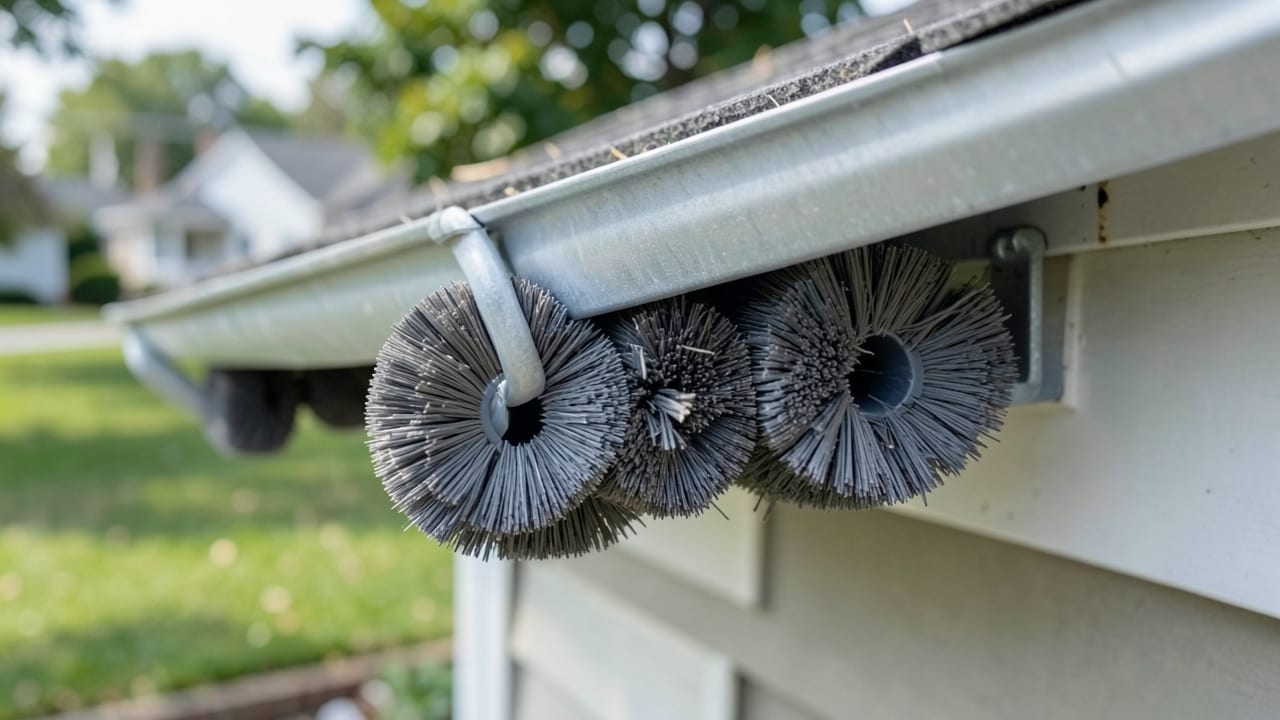
Gutter Brush Guard Installation in Edgewood, IN
Gutter Brush Guard Installation for Edgewood, IN properties — Edgewood is a nearby community roughly 14.7 miles east of Noblesville..
Learn More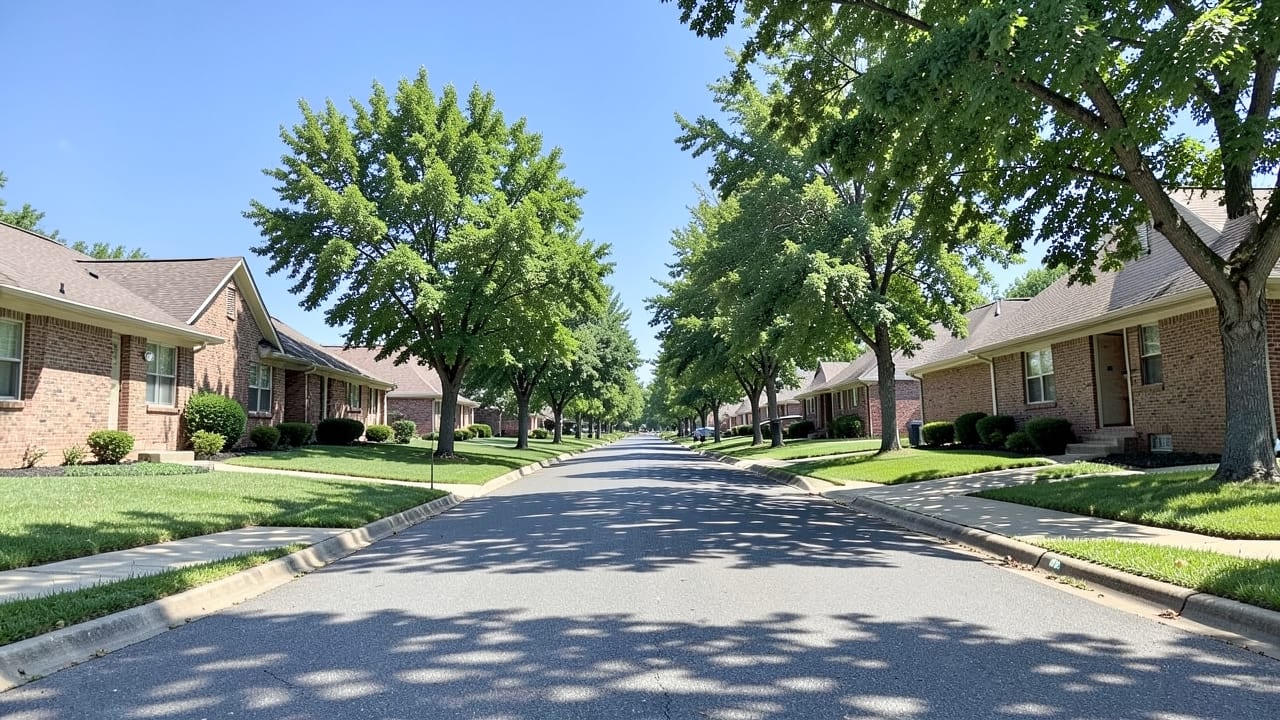
Gutter Leaf Filter Installation in Edgewood, IN
Gutter Leaf Filter Installation for Edgewood, IN properties — Edgewood is a nearby community roughly 14.7 miles east of Noblesville..
Learn More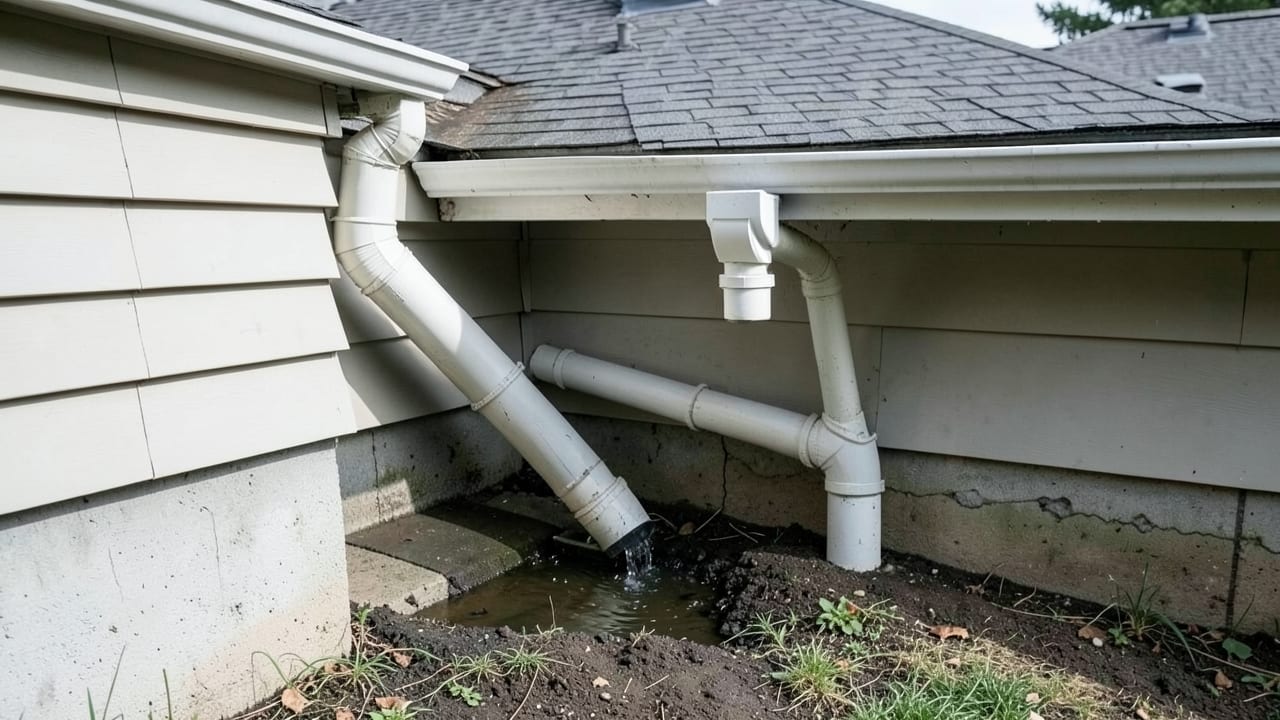
Gutter Downspout Extension in Edgewood, IN
Gutter Downspout Extension for Edgewood, IN properties — Edgewood is a nearby community roughly 14.7 miles east of Noblesville..
Learn MoreGutter Hanger Replacement in Edgewood, IN
Gutter Hanger Replacement for Edgewood, IN properties — Edgewood is a nearby community roughly 14.7 miles east of Noblesville..
Learn MoreGutter End Cap Repair in Edgewood, IN
Gutter End Cap Repair for Edgewood, IN properties — Edgewood is a nearby community roughly 14.7 miles east of Noblesville..
Learn MoreGutter Seam Sealing in Edgewood, IN
Gutter Seam Sealing for Edgewood, IN properties — Edgewood is a nearby community roughly 14.7 miles east of Noblesville..
Learn MoreThe same service is also covered in Carmel, IN , on the same terms.
Common Questions About Gutter Cleaning in Edgewood, IN
Everything you need to know about gutter cleaning services in Edgewood, IN
How much does Ice Dam Removal typically cost in Edgewood, IN?
What local factors affect how often gutters need attention around Edgewood, IN?
Do gutter guards eliminate the need for cleaning?
What are the signs that gutters actually need attention?
What actually happens if gutter cleaning gets skipped for a season?
Need Gutter Cleaning in Edgewood, IN?
Get a written quote from our Edgewood, IN crew.
⏰ We answer your call • Serving all of Edgewood, IN and surrounding areas