Spring Gutter Maintenance: Keeping Pollen Out of Your Noblesville Home’s System
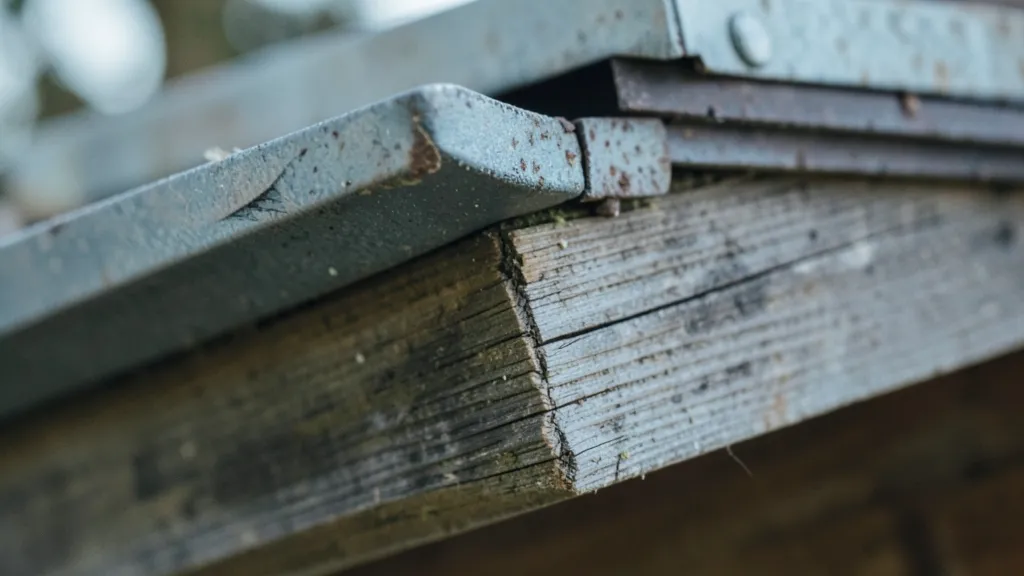
Spring in central Indiana brings more than just blooming trees—it dumps a thick layer of pollen and seed pods straight into your gutters. Left unchecked, that yellow-green sludge hardens into a cement-like clog that blocks water flow and stresses your entire drainage system. We’ve seen it firsthand in Noblesville, Fishers, and Carmel: a little spring maintenance now prevents costly water damage later.
Why Pollen Is a Silent Gutter Killer in Spring
Pollen isn’t just an allergy trigger—it’s a gutter’s worst enemy. In Noblesville, oak, maple, and hickory trees release massive amounts in April and May, coating gutters and downspouts in a sticky, water-resistant film.
When pollen mixes with rain, it forms a paste that adheres to aluminum, vinyl, or copper gutters. This buildup restricts water flow, leading to overflow, fascia damage, and even foundation issues if ignored.
Once pollen hardens, it’s nearly impossible to remove without professional tools. Early spring cleaning—before the heavy pollen drop—saves time and prevents clogs.
Signs Your Gutters Are Struggling with Pollen Overload
Visible yellow or green streaks along your gutters or downspouts are a dead giveaway. But pollen clogs aren’t always obvious from the ground.
Water spilling over the sides during rain, or sagging gutters, often means pollen and debris have created a blockage. Even a slight slope issue can worsen the problem.
Check for pollen accumulation in downspout strainers or at the outlet. If water isn’t draining freely, it’s time for a cleaning or inspection.
How Pollen Clogs Compare to Other Gutter Debris
Not all clogs are created equal. Pollen behaves differently than leaves, twigs, or pine needles, which are more common in fall.
| Debris Type | Season | Clog Behavior | Removal Difficulty |
|---|---|---|---|
| Pollen | Spring | Sticky, hardens when dry, coats surfaces | High (requires scraping, pressure washing) |
| Leaves | Fall | Loose, mats together when wet | Moderate (easier when dry) |
| Twigs/Pine Needles | Year-round | Tangles, blocks downspouts | Moderate to High |
| Seed Pods | Spring/Fall | Heavy, can damage gutters if left | Moderate |
The Right Tools for Pollen Removal (And What to Avoid)
A standard leaf blower won’t cut it for pollen. Its fine particles cling to surfaces, so you’ll need a gutter scoop, a high-pressure nozzle, or a specialized vacuum attachment.
Avoid metal tools on aluminum or vinyl gutters—they can scratch or dent. For copper gutters, use non-abrasive pads to prevent damage to the protective patina.
Safety first: always use a sturdy ladder with stabilizers, and wear gloves and eye protection. Pollen can be abrasive, and gutter edges are sharp.
Essential Pollen-Cleaning Gear
- Gutter scoop or trowel (plastic for aluminum/vinyl)
- Pressure washer with gutter-cleaning nozzle
- Extension wand for hard-to-reach areas
- Heavy-duty gloves and safety goggles
- Ladder stabilizer or stand-off bars
- Drop cloths to protect landscaping
When to Call in the Pros for Noblesville Gutters
If your home is two stories or taller, or if your gutters have steep pitches or intricate designs, DIY cleaning can be risky. Our team has the equipment and training to handle it safely.
Pollen clogs often hide in downspouts or behind gutter guards. Professionals use cameras to inspect hidden areas and ensure complete removal.
Consider a post-cleaning inspection. We’ll check for loose hangers, improper slope, or damaged seals—common issues in older Noblesville, Fishers, and Westfield homes.
Even the best gutter guards (like mesh or reverse-curve systems) can trap pollen on top. Regular maintenance is still required to keep water flowing freely.
Preventing Pollen Buildup Before It Starts
Timing is everything. Schedule a gutter cleaning in early spring, before the pollen peak hits. A second cleaning in late spring can catch any lingering residue.
Trim overhanging branches near your roof to reduce pollen and seed pod drop. This also minimizes leaf buildup in fall.
Consider gutter guards if you’re tired of frequent cleanings. While they won’t stop pollen entirely, they reduce the volume of debris entering your system.
Long-Term Solutions: Gutter Upgrades for Noblesville Homes
If pollen clogs are a recurring nightmare, it might be time for an upgrade. Seamless gutters have fewer joints for pollen to stick to, reducing buildup.
Copper gutters naturally resist corrosion and pollen adhesion, but they’re a premium option. Aluminum gutters with a baked-on enamel finish also repel pollen better than standard versions.
Downspout extensions or splash blocks can help direct water away from your foundation, but they won’t fix a clogged system. Always address the root cause first.
How to Safely Remove Pollen from Your Gutters
Follow these steps to tackle pollen buildup without damaging your system.
- 1Inspect from the Ground
Use binoculars to check for visible pollen streaks, sagging, or overflow marks. Note any problem areas before climbing.
- 2Set Up Your Ladder Safely
Place the ladder on stable, level ground. Use stand-off stabilizers to avoid damaging gutters. Never lean directly on the gutter itself.
- 3Scoop Out Loose Debris
Start at the downspout and work away from it. Use a plastic gutter scoop to remove loose pollen and debris. Avoid metal tools on softer gutter materials.
- 4Flush with Water
Use a garden hose with a high-pressure nozzle to flush remaining pollen. Work from the far end toward the downspout to avoid pushing clogs deeper.
- 5Check Downspouts
Run water through the downspout to ensure it drains freely. If clogged, use a plumber’s snake or pressure washer to clear the blockage from the top or bottom.
- 6Inspect for Damage
Look for loose hangers, leaks, or improper slope. Tighten screws, reseal joints, or call a pro if repairs are needed.
Frequently Asked Questions
How often should I clean my gutters in Noblesville to prevent pollen clogs?
We recommend at least twice a year—once in early spring before pollen peaks, and again in late spring or early summer. Homes near wooded areas or with overhanging trees may need more frequent cleanings.
Can pollen damage my gutters over time?
Yes. Pollen traps moisture against the gutter material, accelerating rust in steel gutters or corrosion in aluminum. It can also weigh down gutters, causing them to sag or pull away from the fascia.
Are gutter guards worth it for pollen-heavy areas like Noblesville?
Gutter guards reduce the amount of debris entering your system, but they’re not a set-it-and-forget-it solution. Pollen can still accumulate on top of guards, requiring occasional cleaning. They’re most effective when paired with regular maintenance.
What’s the difference between gutter cleaning and gutter maintenance?
Cleaning removes debris like pollen, leaves, and twigs. Maintenance goes further—it includes inspecting for damage, resealing joints, adjusting slope, and ensuring downspouts are securely attached and functional.
Do you service areas near Noblesville, like Fishers or Carmel?
Absolutely. We provide gutter cleaning, repair, and maintenance across Noblesville, Fishers, Carmel, Westfield, and Cicero. Local conditions vary, so we tailor our approach to each neighborhood’s specific challenges.
What happens if I ignore pollen buildup in my gutters?
Ignored pollen clogs lead to water overflow, which can damage your roof, fascia, soffits, and foundation. In severe cases, water can back up under your shingles, causing leaks or even structural damage to your home.