How to Protect Your Gutters from Heavy Summer Storms in Noblesville
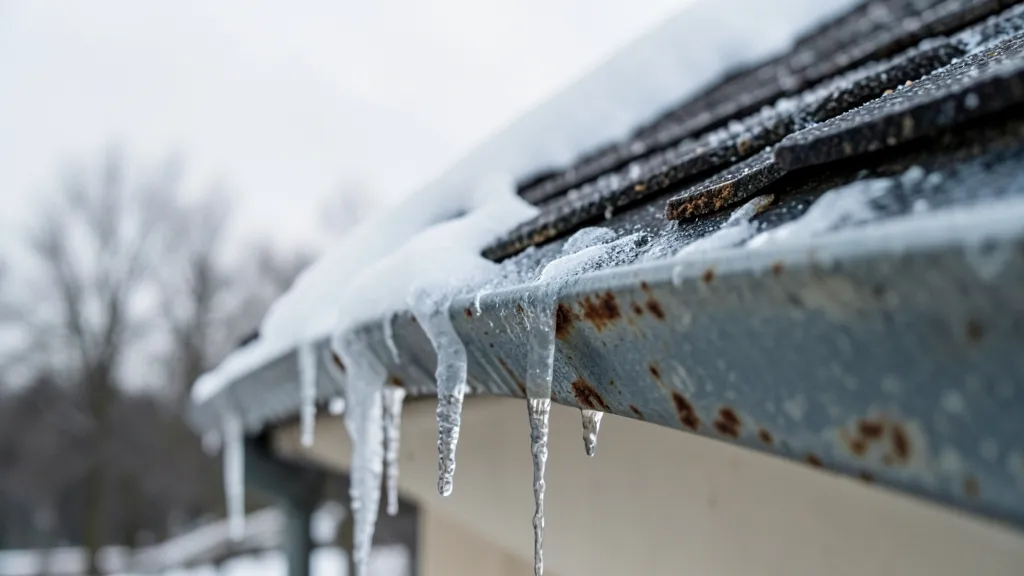
Noblesville’s summer storms can dump inches of rain in hours, pushing gutters to their limits. Without proper prep, clogs and overflows lead to roof leaks, siding stains, and even foundation issues. We’ve seen it firsthand—here’s how to keep your system running smoothly before the next downpour hits.
Why Noblesville’s Summer Storms Are Tough on Gutters
Central Indiana’s humid summers bring intense, short bursts of rain—often with wind-driven debris. Gutters must handle a sudden surge of water while filtering out leaves, twigs, and seed pods from mature trees common in Fishers and Carmel.
Poorly maintained gutters overflow, sending water cascading over fascia boards. Over time, this rots wood, stains siding, and erodes landscaping. In low-lying areas near Cicero or Westfield, standing water can even seep into basements.
Signs Your Gutters Aren’t Storm-Ready
Sagging sections, rust spots, or peeling paint on gutters are red flags. These often mean trapped moisture or debris weight is stressing the system.
Water marks beneath the gutters or mildew on exterior walls signal overflow. If downspouts spit water near the foundation instead of directing it away, your system needs attention.
Storm-Ready Gutter Checklist
- No visible sagging or separation at seams
- Downspouts securely attached and free of blockages
- Gutters sloped correctly (¼ inch per 10 feet toward downspouts)
- No rust, cracks, or peeling sealant
- All brackets and hangers tight and evenly spaced
Pre-Storm Gutter Cleaning: What Most Homeowners Miss
Clearing leaves and twigs from the trough is just the start. We always check downspouts for hidden clogs at the elbow or underground extensions—common in older Noblesville homes.
Flushing the system with a hose reveals slow drains or leaks at seams. Pay extra attention to valleys and roof transitions, where debris accumulates fastest.
Start cleaning at the downspout and move toward the far end. This prevents pushing debris into a clear section, saving time and effort.
Gutter Guards: Worth It for Noblesville Homes?
Gutter guards reduce maintenance by blocking large debris while allowing water flow. In tree-heavy neighborhoods, they can cut cleaning frequency by half.
Not all guards perform equally. Mesh screens clog with pine needles, while reverse-curve systems may struggle with heavy rain. Local climate and roof type dictate the best choice.
| Type | Best For | Maintenance Level | Storm Performance |
|---|---|---|---|
| Mesh Screens | Fine debris (pine needles, shingle grit) | Moderate (can clog) | Good |
| Reverse Curve | Heavy leaf fall | Low | Fair in torrential rain |
| Foam Inserts | Budget-friendly, low trees | High (degrades over time) | Poor in heavy storms |
| Surface Tension (e.g., leaf filters) | Mature trees, high debris | Low | Excellent |
Reinforcing Weak Points Before the Storm
Loose hangers and undersized downspouts are common failures during summer storms. We reinforce with heavy-duty brackets spaced every 24 inches for aluminum gutters.
For homes with frequent overflow, adding downspout extensions or splash blocks directs water farther from the foundation. In clay-heavy soil areas, this prevents erosion and basement leaks.
Spacing hangers too far apart (over 36 inches) causes sagging under water weight. Use a level to ensure proper slope after reinstalling.
Post-Storm Inspection: Catch Problems Early
After a major storm, walk the perimeter of your home. Look for bent gutters, detached downspouts, or pools of water near the foundation.
Check for ‘tiger stripes’—dark, vertical streaks on the gutter exterior. These indicate overflow, often caused by clogs or improper slope. Small issues now prevent big repairs later.
When to Call a Pro for Gutter Repair or Resealing
If gutters pull away from the fascia or seams leak despite cleaning, the system may need resealing or resloping. DIY sealants often fail under Indiana’s temperature swings.
For homes in Fishers or Carmel with steep roofs, professional inspection is safer.
How to Clean Gutters Safely Before Storm Season
A thorough cleaning now prevents clogs and overflow when Noblesville’s summer storms arrive.
- 1Gather Tools
Use a sturdy ladder, gloves, gutter scoop, and a bucket with a hook. A garden trowel works for stubborn debris. Never lean the ladder against the gutters—they won’t support the weight.
- 2Clear Debris from the Trough
Start near a downspout and work away, removing leaves and twigs by hand or with a scoop. Drop debris into the bucket to avoid messes below.
- 3Flush the System
Use a hose with a spray nozzle to flush remaining grit toward the downspout. Check for proper drainage—water should exit the downspout, not overflow the gutter.
- 4Inspect and Test
Look for leaks at seams or end caps. Run water through the system again to confirm everything drains smoothly. Note any sagging sections for repair.
- 5Check Downspouts and Extensions
Ensure downspouts are securely attached and direct water at least 3–4 feet from the foundation. Add extensions if needed to prevent erosion.
Frequently Asked Questions
How often should gutters be cleaned in Noblesville?
Twice a year is the minimum—once in late spring and again in early fall. Homes with mature trees or near wooded areas like Westfield may need quarterly cleanings to handle leaf and seed pod buildup.
Can gutter guards eliminate the need for cleaning?
No system is 100% maintenance-free. Guards reduce frequency but still require occasional checks, especially after heavy storms. Fine debris like pine needles or shingle grit can accumulate on top of some guard types.
What’s the most common gutter damage after summer storms?
Detached or bent gutters from wind or debris impact, and clogged downspouts causing overflow. In older homes, rust and seam leaks also flare up after repeated exposure to moisture.
Do I need larger gutters for Noblesville’s heavy rainfall?
Most residential homes use 5-inch K-style gutters, which handle typical storms. For larger roofs or areas with extreme runoff (like properties near Cicero’s flat terrain), 6-inch gutters or additional downspouts may be recommended.
How do I know if my gutters need resealing or resloping?
If water pools in sections or leaks at seams, resealing may help. Sagging gutters or standing water indicate improper slope. A professional can adjust the pitch to ensure proper drainage toward downspouts.
Are seamless gutters worth the investment for storm protection?
Seamless gutters reduce leak points, making them ideal for storm-prone areas. They’re custom-fitted to your home, minimizing the risk of separation during heavy rain or wind. The upfront cost is higher, but they last longer with less maintenance.