Noblesville’s Most Overlooked Gutter Issues and How to Spot Them Before They Cause Damage
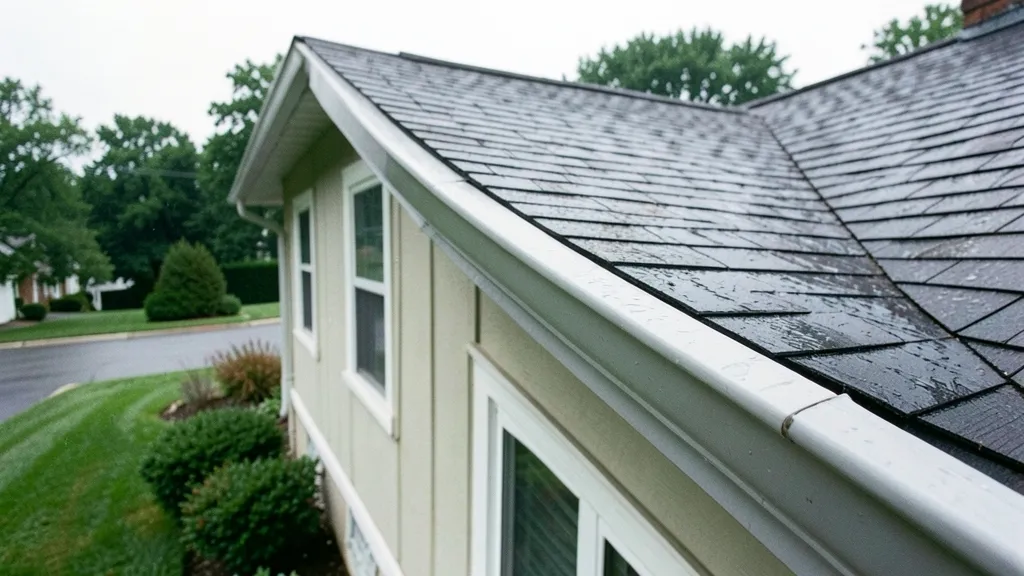
Most Noblesville homeowners think gutters only need attention when leaves pile up. The truth? Some of the worst gutter problems hide in plain sight—long before water starts pouring over the sides or pooling at your foundation. We’ve seen firsthand how small oversights lead to big repairs in Fishers, Carmel, and right here in Hamilton County.
Why Noblesville Gutters Fail Quietly
Our area’s heavy spring rains and fall foliage create a perfect storm for clogs. But the real culprits—like improper slope or separated seams—often go unnoticed until water backs up under your shingles.
Aluminum gutters expand and contract with Indiana’s temperature swings. Over time, this can loosen fasteners or crack caulk, letting water seep behind the system where you can’t see it.
The 5 Most Overlooked Gutter Problems
Hidden clogs in downspouts are a classic. Leaves and twigs pack tight at the elbow, where water backs up and overflows—even if the trough looks clear from the ground.
Sagging sections often start with a single loose hanger. If not fixed, the weight of trapped water or ice can pull the entire run out of alignment, stressing seams and joints.
Rust and corrosion eat away at steel gutters, especially near seams or where paint has chipped. In Noblesville’s humid summers, this can accelerate faster than homeowners expect.
Improper pitch is a silent killer. Gutters should slope 1/4 inch per 10 feet toward the downspout. Too flat, and debris settles; too steep, and water shoots past the downspout opening.
Ice dams in winter are a Midwest staple. When meltwater refreezes at the roof’s edge, it can force gutters to detach or even pull fascia boards away from the rafters.
| Issue | What to Look For | Risk If Ignored |
|---|---|---|
| Hidden Downspout Clogs | Water overflowing at seams or corners, even after cleaning troughs | Foundation erosion, basement flooding, fascia rot |
| Sagging Gutters | Visible dips or gaps between the gutter and fascia | Structural damage, pulled fasteners, seam failure |
| Rust or Corrosion | Orange-brown streaks or flaking on metal surfaces | Leaks, holes, eventual gutter failure |
| Improper Slope | Standing water in sections after rain | Accelerated clogging, ice dam formation, overflow |
| Ice Dams | Icicles hanging from gutters or roof edge | Roof leaks, gutter detachment, interior water damage |
Where to Inspect: A Roof-to-Foundation Check
Start at the roof line. Look for water stains on the fascia or soffit—these indicate clogs or leaks forcing water backward. In Noblesville, this often appears first on north-facing sides where shade keeps moisture lingering.
Check the gutters themselves for peeling paint, rust spots, or seams pulling apart. Even small gaps can channel water behind the system, rotting the wood beneath.
Examine downspouts for dents or crushes, especially near the base. These restrict flow and cause backups. Also, ensure splash blocks or extensions direct water at least 4–6 feet from the foundation.
Quick Gutter Inspection Checklist
- Look for water stains or mold on fascia and soffits
- Check for sagging, loose hangers, or separated seams
- Inspect downspouts for clogs, dents, or improper discharge
- Scan for rust, peeling paint, or holes in the trough
- Verify gutters slope toward downspouts (use a level if unsure)
- Ensure splash blocks or extensions carry water away from the home
Seasonal Threats in Central Indiana
Spring brings pollen and seed pods that cling to wet surfaces, creating a sticky sludge that clogs gutters faster than fall leaves. A thorough cleaning before the rainy season is critical.
Summer storms in Noblesville can dump inches of rain in an hour. If your gutters aren’t clear, that volume can overwhelm the system, leading to overflow and soil erosion around your foundation.
Fall is the obvious culprit, but it’s not just leaves. Acorns, twigs, and pine needles create dense blockages that are harder to flush out than typical leaf litter.
Winter’s freeze-thaw cycles test gutter integrity. Ice dams form when attic heat melts snow, which then refreezes at the colder eaves. Proper insulation and ventilation help, but clean gutters are your first line of defense.
If you see icicles, your gutters may already be damaged. The weight can pull them away from the roof, and the meltwater can seep under shingles, causing leaks inside your home.
DIY Fixes vs. When to Call a Pro
Clearing small clogs with a garden hose or gutter scoop is manageable for single-story homes. Just be sure to wear gloves—nested debris can harbor mold and pests.
Reattaching a loose hanger or resealing a minor leak with gutter caulk are also reasonable DIY tasks. Use a ladder stabilizer and work with a partner for safety.
For sagging gutters, rusted sections, or improper slope, it’s best to call in professionals. We’ve seen DIY adjustments make problems worse, especially with seamless gutters that require precise handling.
Never lean a ladder against the gutters themselves—they’re not designed to support your weight. Always rest it on a sturdy surface like the fascia or roof decking.
Long-Term Solutions to Prevent Recurring Issues
Gutter guards can reduce debris buildup, but they’re not maintenance-free. Micro-mesh screens work well for fine debris like pollen, while reverse-curve systems handle heavier leaf loads. In areas like Westfield with mature trees, we often recommend a combination approach.
Resealing and resloping gutters during a professional cleaning can extend their lifespan. This is especially important for older homes in Cicero or Noblesville where gutters may have settled over time.
Regular inspections—twice a year, plus after major storms—catch small problems before they escalate. Add downspout cleaning to your routine; clogs here are a common cause of gutter overflow.
The Cost of Ignoring the Signs
A small gutter repair might seem like a nuisance, but the downstream damage is where costs spiral. Water pooling at the foundation can crack concrete, shift soil, or flood basements—repairs that dwarf the price of gutter maintenance.
Roof damage from ice dams or clogged gutters often isn’t covered by standard homeowners insurance if neglect is a factor. In Noblesville’s competitive real estate market, a well-maintained gutter system can also protect your home’s resale value.
Commercial properties face unique risks. Overflowing gutters can damage signage, create slip hazards, or even violate local drainage codes in areas like Carmel’s business districts.
How to Test Your Gutters for Hidden Clogs
A simple hose test can reveal blockages you can’t see from the ground.
- 1Clear the Roof
Remove any leaves or debris from the roof first to avoid adding to the clog during testing.
- 2Position the Hose
Start at the end farthest from the downspout. Use a hose with a spray nozzle to simulate heavy rainfall.
- 3Watch the Flow
Water should flow smoothly toward the downspout. If it pools or overflows, there’s a clog or slope issue.
- 4Check Downspout Discharge
Have a partner verify water exits the downspout at the bottom. If it trickles or doesn’t flow, the downspout is clogged.
- 5Inspect for Leaks
Look for drips at seams or joints. Mark these spots for resealing or repair.
Frequently Asked Questions
How often should gutters be cleaned in Noblesville?
Twice a year is the minimum—once in late spring after pollen season and again in late fall after the leaves drop. Homes with heavy tree cover in Fishers or Westfield may need 3–4 cleanings annually. Always inspect after major storms, too.
Can gutter guards eliminate the need for cleaning?
No system is 100% maintenance-free. Guards reduce debris buildup but can themselves become clogged with fine particles. We recommend annual inspections even with guards installed, especially in areas with dense foliage like Cicero.
Why do my gutters overflow in heavy rain even after cleaning?
This usually indicates improper slope or undersized gutters for your roof’s pitch and square footage. A professional can assess whether resealing, resloping, or upgrading to larger troughs is needed. Downspout quantity and placement also play a role.
What’s a suitable gutter material for Noblesville’s climate?
Aluminum is the most popular for its balance of durability, cost, and resistance to rust. Steel is stronger but prone to corrosion without proper coating. Copper lasts longest but comes at a premium. Vinyl is budget-friendly but can become brittle in our winter freezes.
How do I know if my gutters are pulling away from the house?
Look for gaps between the gutter and fascia, or sections that sag noticeably. You might also see nails or screws popping out of the fascia. If caught early, we can often reattach and reinforce the system without full replacement.