How to Spot Rust and Corrosion in Your Gutters Before It Damages Your Noblesville Home
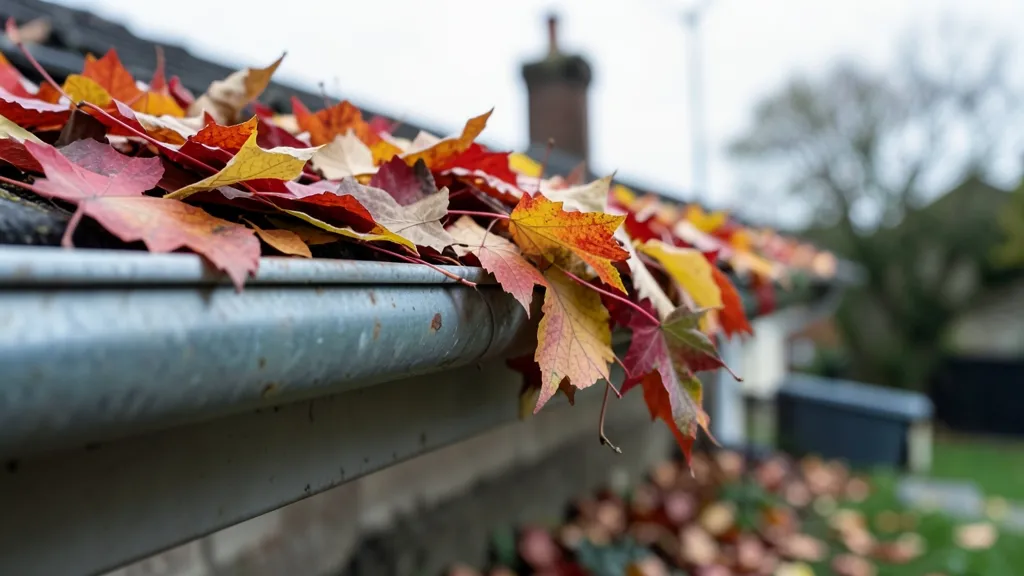
Rust and corrosion silently eat away at gutters, especially in Noblesville’s humid summers and freeze-thaw winters. Catching them early prevents costly water damage to your roof, siding, and foundation. We’ll show you exactly where to look and what to do next.
Why Noblesville Gutters Are Prone to Rust and Corrosion
Our area’s high humidity accelerates oxidation, especially on older galvanized steel gutters. Even aluminum isn’t immune—pollutants and debris create acidic buildup that etches the surface over time.
Freeze-thaw cycles in winter expand and contract metal, cracking protective coatings. This lets moisture seep in, speeding up rust formation in seams, end caps, and downspouts.
Early Signs of Rust vs. Full-Blown Corrosion
Rust starts as reddish-brown streaks or spots, often near seams, screws, or the gutter’s bottom. It’s surface-level at first but spreads quickly if ignored.
Corrosion is deeper—pitting, flaking, or holes in the metal. You might see white chalky residue (aluminum oxidation) or greenish patina on copper gutters that’s turned destructive.
| Sign | Rust | Corrosion |
|---|---|---|
| Appearance | Reddish-brown stains or spots | Pitting, flaking, or holes in metal |
| Texture | Surface-level, rough to touch | Deep, may feel jagged or thin |
| Location | Seams, screws, end caps, downspouts | Anywhere, often in low spots or near debris |
| Urgency | Address within weeks | Requires immediate attention |
Where to Inspect for Rust and Corrosion
Check the gutter’s interior first—this is where water pools and debris traps moisture. Use a flashlight to spot discoloration or pitting.
Examine seams, end caps, and downspout connections. These are weak points where water lingers and rust starts. Don’t forget the fascia and soffits for water stains, a sign of overflow from clogged or damaged gutters.
Look at the exterior for streaks or flaking paint. In Noblesville, south- and west-facing gutters often show wear first due to sun exposure and prevailing winds.
Key Inspection Points for Rust and Corrosion
- Interior of gutters (especially near downspouts)
- Seams and end caps
- Downspout connections and elbows
- Exterior for streaks, flaking, or holes
- Fascia and soffits for water stains
- Gutter hangers and screws for rust bleed
Common Causes in Central Indiana
Clogged gutters are the top culprit. Leaves, twigs, and seed pods from Noblesville’s mature trees trap water, creating a perfect environment for rust. Regular gutter cleaning prevents this buildup.
Poorly sloped gutters or damaged hangers cause standing water. Even a slight sag can lead to corrosion in as little as a season. We often see this in older homes in Fishers and Carmel with original gutter systems.
Cheap or improperly coated gutters degrade faster. Galvanized steel lasts 15–20 years, but in our climate, unmaintained systems may fail in half that time.
Even minor rust can spread under paint or into hidden seams. Left unchecked, it weakens the gutter’s structural integrity, leading to leaks or detachment.
How Rust Affects Gutter Performance
Rust reduces a gutter’s ability to channel water. Pitted or corroded sections create turbulence, slowing drainage and increasing overflow risk during heavy rains—common in Noblesville’s spring storms.
Corroded downspouts clog more easily. Debris catches on rough edges, and water backs up into the gutters. This can lead to ice dams in winter or basement flooding if downspouts aren’t directing water far enough from the foundation.
Weakened gutters sag or pull away from the fascia. This not only looks bad but also exposes your roof’s edge to water damage, which can rot the decking or cause leaks into your attic.
DIY Fixes vs. When to Call a Pro
For surface rust, scrub the area with a wire brush, apply a metal primer, and touch up with gutter-matched paint. This buys time but isn’t a permanent fix for deep corrosion.
Small holes or pitted areas can be patched with gutter sealant or a patch kit. Clean the area thoroughly and ensure it’s dry before applying. These are temporary solutions—plan for a full section replacement soon.
If rust covers more than 10% of a gutter run, or if you see holes, detachment, or structural weakness, it’s time for professional gutter repair or replacement. In Noblesville, we often replace sections in kind—aluminum for aluminum—to maintain system integrity.
Gently press on rusted spots with a screwdriver. If it punctures the metal easily, the gutter is compromised and needs replacement, not just a patch.
Preventing Future Rust and Corrosion
Install gutter guards to reduce debris buildup. In Noblesville, mesh or reverse-curve guards work well for most homes, though they’re not maintenance-free—plan for annual inspections.
Ensure proper slope (1/4 inch per 10 feet) and secure all hangers. This keeps water moving and prevents standing water. We often adjust slope during gutter cleaning visits in Westfield and Cicero.
Clean gutters at least twice a year—spring and fall. After storms, do a quick visual check for new rust spots. Consider resealing seams every few years to extend your system’s life.
When to Consider Gutter Replacement
If rust or corrosion appears in multiple sections, or if your gutters are over 20 years old, replacement is often more cost-effective than repeated repairs. Modern aluminum gutters with baked-on finishes resist rust far better than older systems.
Upgrading to copper or stainless steel eliminates rust concerns entirely, though these materials come at a higher upfront cost. They’re ideal for historic homes or properties where longevity is a priority.
Always pair gutter replacement with a downspout inspection. Clogged or corroded downspouts defeat the purpose of new gutters. We include this in our quotes for Noblesville homeowners.
How to Inspect Your Gutters for Rust and Corrosion
A thorough inspection takes 15–20 minutes and can save you hundreds in repairs.
- 1Gather Tools
Grab a sturdy ladder, gloves, flashlight, and a wire brush or screwdriver for testing spots. Safety first—work with a partner if your home is two stories or taller.
- 2Check from the Ground
Walk the perimeter of your home. Look for rust streaks, flaking paint, or sagging sections. Note any areas where water pools or overflows during rain.
- 3Inspect the Interior
Climb the ladder and shine a flashlight inside the gutters. Look for reddish-brown spots (rust), white chalky residue (aluminum oxidation), or pitting. Pay extra attention to seams and downspout connections.
- 4Test Problem Areas
Use the screwdriver to gently probe rusted or discolored spots. If the metal gives easily, it’s compromised. Also check for loose or missing hangers, which can cause sagging and water retention.
- 5Document and Plan
Take photos of any issues and note their locations. Small spots can be DIY-fixed, but widespread rust or holes mean it’s time to call a pro for gutter repair or replacement.
Frequently Asked Questions
Can I paint over rust on my gutters?
Painting over rust is a temporary fix at best. The rust will continue to spread underneath. Always wire-brush the rust off, apply a rust-converting primer, and then paint. For deep rust, replacement is the only long-term solution.
Why do my gutters rust faster on one side of the house?
In Noblesville, south- and west-facing gutters often rust first due to more sun exposure, which heats the metal and accelerates oxidation. Prevailing winds can also blow more debris and moisture against one side, trapping it against the gutter.
Are aluminum gutters rust-proof?
Aluminum doesn’t rust like steel, but it can corrode. Acidic debris, pollution, or salt (from winter road treatments in areas like Carmel) can cause pitting or white oxidation. Regular cleaning and sealing help prevent this.
How often should I check for rust if I have gutter guards?
Gutter guards reduce debris, but they don’t eliminate the need for inspections. Check for rust at least once a year, especially in Noblesville’s humid summers. Guards can also hide rust underneath—lift a section occasionally to inspect the gutter itself.
What’s the most rust-resistant gutter material for Indiana weather?
Copper is highly rust-resistant, as it develops a protective patina over time. Stainless steel is another strong choice, though less common. For most homeowners, high-quality aluminum with a baked-on finish provides a great balance of durability and affordability.
Can rusty gutters cause foundation problems?
Absolutely. Rusty gutters often clog or leak, directing water toward your foundation instead of away from it. Over time, this can lead to cracks, settling, or basement flooding—issues we see frequently in older Noblesville and Fishers homes with neglected systems.