How Standing Water in Gutters Breeds Mosquitoes in Noblesville
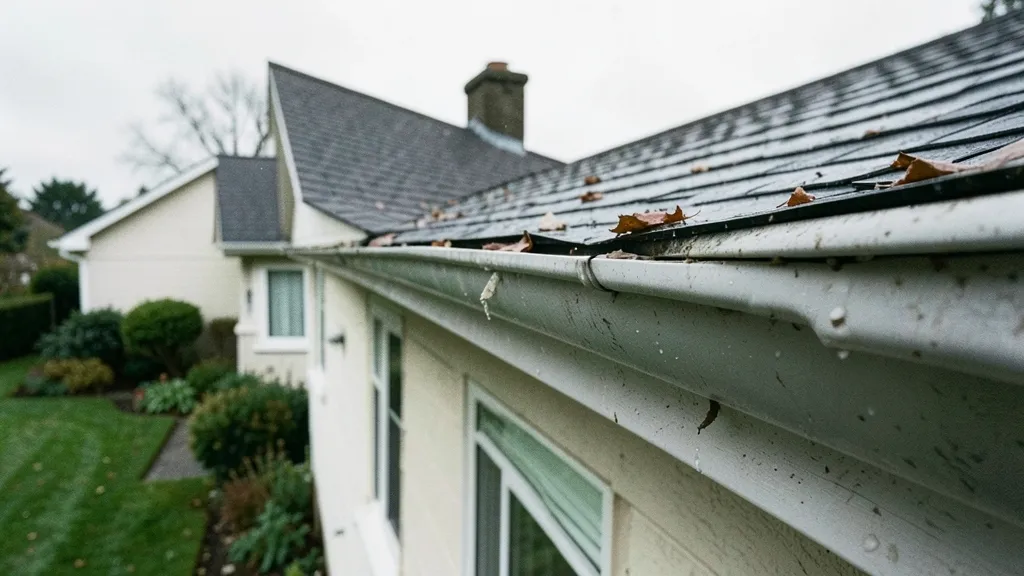
Clogged gutters do more than damage your roof—they turn into mosquito nurseries. In Noblesville’s humid summers, standing water in gutters becomes a prime breeding ground for pests like Aedes and Culex mosquitoes, which thrive in stagnant, debris-filled troughs. Proper gutter maintenance isn’t just about home protection; it’s a public health necessity.
Why Noblesville’s Climate Fuels Gutter Mosquito Problems
Indiana’s warm, humid summers and frequent rainstorms create ideal conditions for mosquito breeding. Noblesville’s seasonal shifts—from heavy spring rains to dry, debris-laden falls—mean gutters fill fast and stay wet longer.
Stagnant water in gutters can hatch mosquito larvae in as little as 7–10 days. Without regular cleaning, a single clogged section can produce thousands of adults, worsening infestations across your yard and even neighboring properties in Fishers or Carmel.
The Life Cycle of a Gutter Mosquito
Mosquitoes lay eggs in standing water, which hatch into larvae within days. In gutters, organic debris like leaves and twigs provides both food and shelter, accelerating their development.
Larvae feed on microorganisms in the water, then mature into pupae. Within a week, they emerge as adult mosquitoes, ready to breed again. A neglected gutter system can sustain multiple generations in a single season.
| Stage | Duration | Key Conditions |
|---|---|---|
| Egg | 1–3 days | Requires standing water; laid on debris or water surface |
| Larva | 5–14 days | Feeds on organic matter in gutter sludge |
| Pupa | 1–4 days | Floats near surface; does not feed |
| Adult | Emerges in 7–21 days | Leaves gutter to breed and bite |
How Clogged Gutters Become Breeding Grounds
Gutters clogged with leaves, pine needles, or seed pods trap water. Even a small blockage can create a pool deep enough for eggs. In Noblesville, maple and oak trees shed heavily in fall, compounding the problem.
Downspouts clogged at the elbow or exit point force water to back up into the gutter channel. Without proper slope or downspout extensions, water sits—sometimes for weeks—giving mosquitoes ample time to multiply.
Flat or improperly pitched gutters hold water longer. Even gutters that *look* clean can harbor eggs in the seams or behind downspout screens.
Health Risks of Gutter-Bred Mosquitoes
Culex mosquitoes, common in Indiana, can transmit West Nile virus. Aedes aegypti, though less prevalent here, may carry Zika or dengue in warmer years. Both species thrive in artificial containers—like gutters.
Standing water also attracts other pests, including rodents and flies, which feed on organic debris. A gutter infestation can quickly spread to your attic, siding, or even indoor spaces if entry points exist.
Signs Your Gutters Are Breeding Mosquitoes
Visible standing water in gutters or downspouts is the most obvious sign. Check after rain—if water hasn’t drained within 24 hours, you have a clog.
Mosquito activity near your roofline or an uptick in bites around your yard are red flags. You might also notice larvae wriggling in the water if you inspect with a flashlight.
Quick Gutter Mosquito Check
- Water pools in gutters 24+ hours after rain
- Mosquitoes hover near the roofline or downspouts
- Visible debris (leaves, twigs) blocking water flow
- Larvae or pupae in standing water
- Mold or algae growth inside gutters
Prevention: Gutter Cleaning and Maintenance
Biannual gutter cleaning—once in late spring and again in early fall—removes debris before it traps water. In Noblesville, late fall is critical due to heavy leaf drop from sycamores and hickories.
Consider gutter guards to reduce debris buildup, but remember: guards aren’t maintenance-free. Pine needles and fine organic matter can still accumulate on top, requiring occasional clearing. For seamless gutters, ensure proper slope (¼ inch per 10 feet) to prevent standing water.
Extend downspouts at least 5–10 feet from your foundation. This not only prevents water damage but also eliminates standing water near your home’s perimeter.
When to Call a Professional
If your gutters are sagging, pulling away from the fascia, or overflowing even after cleaning, structural issues may be at play. Gutter repair or resealing might be needed to restore proper drainage.
For hard-to-reach gutters, multi-story homes, or commercial properties in Westfield or Cicero, professional cleaning ensures safety and thoroughness. We use high-pressure flushing to clear downspouts and inspect for hidden clogs or damage.
Long-Term Solutions Beyond Cleaning
Gutter guard installation can significantly reduce debris buildup, but no system is 100% maintenance-free. Micro-mesh guards work best against fine debris, while reverse-curve designs may struggle with heavy leaf loads common in Noblesville.
For chronic standing water, resealing gutters or adjusting the slope may be necessary. In some cases, adding more downspouts or upgrading to larger-capacity systems (e.g., 6-inch gutters) improves drainage for homes with steep roofs or large surface areas.
How to Inspect Your Gutters for Mosquito Breeding
A quick, safe inspection can reveal whether your gutters are harboring pests.
- 1Safety First
Use a sturdy ladder on level ground, or inspect from the ground with binoculars. Never lean the ladder against the gutters themselves—they may not support your weight.
- 2Check for Standing Water
Look for visible pools in the gutter troughs or downspouts. Even small amounts of water in low spots can breed mosquitoes.
- 3Look for Debris
Scan for leaves, twigs, or sediment buildup. Pay special attention to corners, seams, and near downspout entrances, where clogs are most common.
- 4Inspect Downspouts
Ensure downspouts are clear by running a hose from the top. If water doesn’t flow freely to the exit, there’s a blockage that needs clearing.
- 5Search for Larvae
Use a flashlight to peer into the gutters. Mosquito larvae, often called “wrigglers,” are visible as small, dark, comma-shaped creatures moving in the water.
- 6Assess Gutter Pitch
Gutters should slope slightly toward downspouts. If water pools in the middle, the pitch may need adjustment by a professional.
Frequently Asked Questions
How quickly can mosquitoes breed in my Noblesville gutters?
Mosquitoes can complete their life cycle in as little as 7–10 days in warm weather. In Noblesville’s summer heat, a clogged gutter can produce a new generation of adults in under two weeks.
Do gutter guards prevent mosquitoes?
Gutter guards reduce debris buildup, which helps, but they don’t eliminate standing water. Fine debris can still accumulate, and some guards may trap water on top. Regular inspections are still necessary.
Can gutter mosquitoes spread disease in Indiana?
Yes. Culex mosquitoes, common in Indiana, can transmit West Nile virus. While rare, cases have been reported in Hamilton County. Reducing standing water in gutters lowers this risk.
When is the ideal time of year to clean gutters to prevent mosquitoes?
Clean gutters in late spring (after pollen season) and early fall (before leaf drop). In Noblesville, a mid-summer check is also wise after heavy storms or if you notice increased mosquito activity.
Will cleaning my gutters in Fishers or Carmel help neighbors with their mosquito problems?
Absolutely. Mosquitoes can travel up to a mile from their breeding site. By eliminating standing water in your gutters, you’re reducing the local mosquito population for your entire neighborhood.
How do I know if my downspouts are clogged?
Run a garden hose into the gutter near the downspout. If water backs up or overflows rather than flowing out the bottom, there’s a clog. You may need a plumber’s snake or professional cleaning to clear it.